


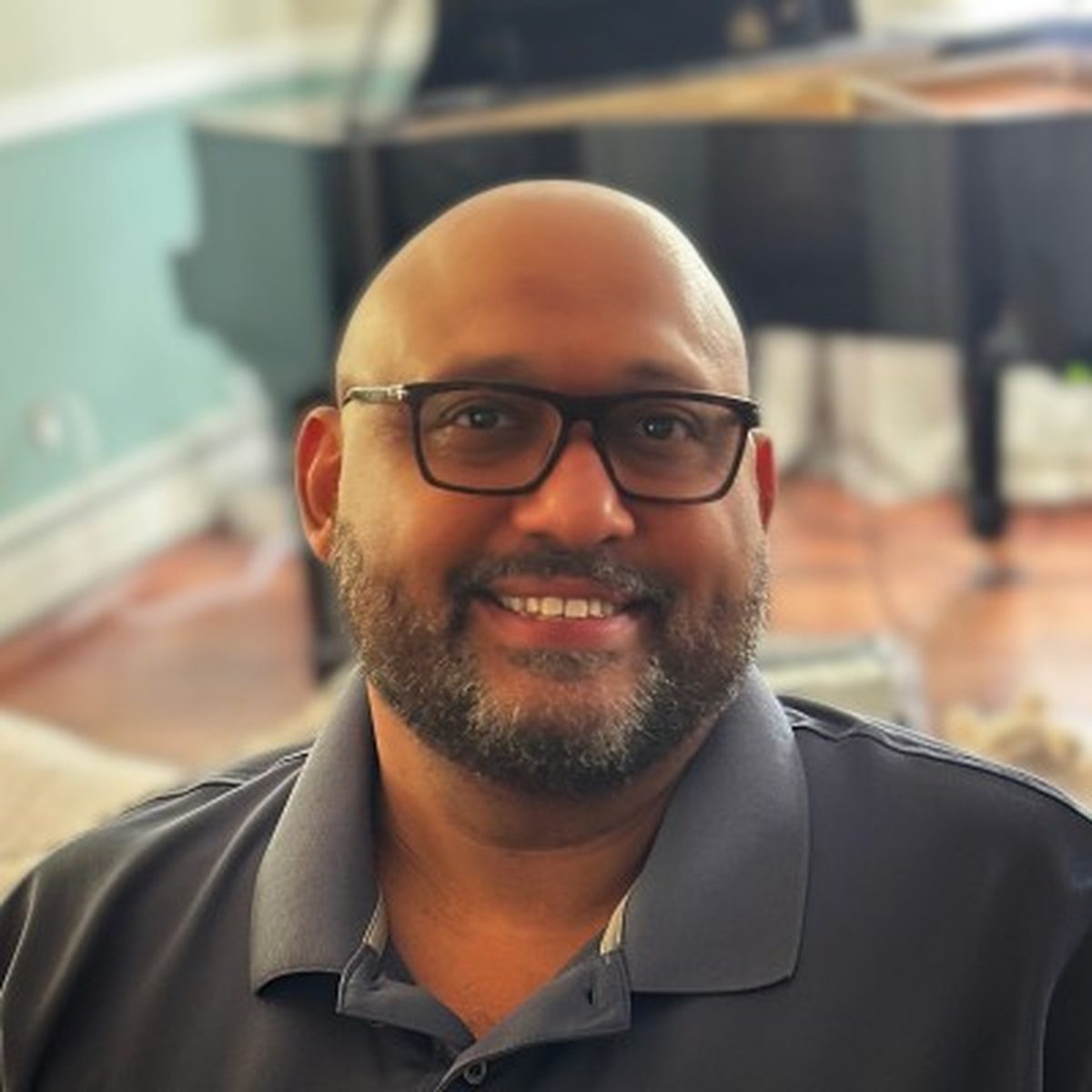
Building Community Through Cannabis: Damien Cornwell’s Vision for Just Breathe
A Binghamton native, Damien Cornwell is more than just the Founder and CEO of Just Breathe; he is a community architect. While he manages an expanding cannabis footprint across New York and serves as President of the Cannabis Association of New York, his reach goes far beyond the dispensary. Damien balances roles as the Director of Operations for the Broome County Urban League and a multimedia facility owner, On Point Productions, all while spearheading his nonprofit, Just Breathe Tomorrows. By blending culture and adventure through unique events, his nonprofit raises essential funds for daycare services and workforce development. This Black History Month, Damien shares his journey, emphasizing how community-centric leadership and representation are rewriting the narrative of the cannabis industry.
- Can you share a bit about your journey into the cannabis industry and what inspired you to open your retail business?
- I appreciate the opportunity to share my story, and I’m grateful that LeafLink is highlighting businesses during Black History Month. I came into cannabis from a different side. I was the Director of Operations for the Broome County Urban League and also owned an FM radio station. While doing case management work at the Urban League, we were trying to help people get their records expunged or concealed so they could find employment. We ran promotions through a hemp store at the time and advertised on the radio, and the response was overwhelming. We had about 27 people come in just to get their records cleared. That experience showed me something important: cannabis was a common denominator that people responded to. For years, we tried workforce development, retraining, and support programs, but nothing drew people in the way cannabis-related outreach did. I realized we had a currency that worked. As a result, I became one of the first nonprofit-sponsored cannabis businesses in New York, I believe we were the third to open statewide and the first to open upstate under that model. That’s really how it all started.
- I appreciate the opportunity to share my story, and I’m grateful that LeafLink is highlighting businesses during Black History Month. I came into cannabis from a different side. I was the Director of Operations for the Broome County Urban League and also owned an FM radio station. While doing case management work at the Urban League, we were trying to help people get their records expunged or concealed so they could find employment. We ran promotions through a hemp store at the time and advertised on the radio, and the response was overwhelming. We had about 27 people come in just to get their records cleared. That experience showed me something important: cannabis was a common denominator that people responded to. For years, we tried workforce development, retraining, and support programs, but nothing drew people in the way cannabis-related outreach did. I realized we had a currency that worked. As a result, I became one of the first nonprofit-sponsored cannabis businesses in New York, I believe we were the third to open statewide and the first to open upstate under that model. That’s really how it all started.
- What have been some of the biggest opportunities and challenges of operating in New York’s evolving cannabis market?
- The biggest opportunity is obvious — cannabis is a highly sought-after commodity with enormous revenue potential, whether in under-regulated or regulated markets. From my perspective as a social entrepreneur, that opportunity also creates the ability to make real change in local communities. I won’t be here forever, so the question for me is always: can I leave my community better than I found it? The biggest challenge has been managing common-sense rules and regulations with real accountability. When the market launched, enforcement wasn’t fully in place, and I don’t think the state agencies had the resources they needed. That creates confusion and frustration across the industry. Sometimes we legislate for one part of the system, and while that operation may succeed, the patient dies. A good example is advertising. Legal stores can’t use billboards, but unregulated operators still can — because there’s no enforcement. That ends up helping the illicit market and hurting compliant businesses that are trying to build responsibly.
- As a Black-owned cannabis retailer, what does Black History Month represent to you within the context of this industry?
- Black History Month is deeply important to me because I’m a social entrepreneur at heart. I’m an operator by trade, but I also feel a responsibility to give back. Through God’s grace, I was given this opportunity, and cannabis gives me a platform to become the change I want to see. I don’t believe in handouts, I believe in hand-ups. Cannabis retail can be a tool for lifting yourself and your community if you have sound plans, strong operations, and discipline. Black History Month is a chance to celebrate that possibility and highlight what’s achievable.
- Black History Month is deeply important to me because I’m a social entrepreneur at heart. I’m an operator by trade, but I also feel a responsibility to give back. Through God’s grace, I was given this opportunity, and cannabis gives me a platform to become the change I want to see. I don’t believe in handouts, I believe in hand-ups. Cannabis retail can be a tool for lifting yourself and your community if you have sound plans, strong operations, and discipline. Black History Month is a chance to celebrate that possibility and highlight what’s achievable.
- Why is representation and ownership so important in cannabis?
- Representation matters because there’s a long history of inequality tied to this plant. I’ve had family members who served years in prison for things that are now legal, while today unregulated operators can make hundreds of thousands of dollars a month without consequences. Ownership matters because retailers can reinvest directly into their communities. I don’t think real change has to come from the state or federal government, it can come from operators who understand their neighborhoods and choose to act. This isn’t just about race, it’s also about class. Representation at every level matters because the right owners and operators can create opportunity, empowerment, and lasting change where it’s needed most.
- Representation matters because there’s a long history of inequality tied to this plant. I’ve had family members who served years in prison for things that are now legal, while today unregulated operators can make hundreds of thousands of dollars a month without consequences. Ownership matters because retailers can reinvest directly into their communities. I don’t think real change has to come from the state or federal government, it can come from operators who understand their neighborhoods and choose to act. This isn’t just about race, it’s also about class. Representation at every level matters because the right owners and operators can create opportunity, empowerment, and lasting change where it’s needed most.
- How do you see your business contributing to your local community?
- At Just Breathe, we focus on making our store a focal point of the community, not just a place to sell a product. We host events, bring people together, and create shared experiences. I also founded Just Breathe Tomorrows, a nonprofit supporting daycare programs and families, particularly single-parent households, and leading initiatives like bike giveaways for local youth. I strongly believe that if you want to change a community, you start with the youth. If a child is born on the wrong side of the street, they still deserve every opportunity possible to succeed. That’s how we approach community impact, through reinvestment, advocacy, and creating spaces that actually matter.
- How do you use LeafLink in your day-to-day operations?
- When I first opened, it was very hard to track what was coming in and going out. There were times when vendors would drop off inventory that wasn’t even ordered and try to offload it into stores. What I love about LeafLink is that it gives you visibility and control. You can see what’s coming in, manage inventory properly, and protect yourself from getting stuck with products you didn’t ask for. That level of organization makes it much easier to operate responsibly.
- What problems does LeafLink help you solve?
- LeafLink helps us manage Net 30 inventory and adjust how frequently and how much we order. Trying to do that on a notepad would be incredibly difficult. It also helps resolve issues like damaged products or disputes between retailers, sales reps, and processors. LeafLink acts as a neutral third party that helps mitigate conflict and keeps everyone aligned. That protection is critical in today’s operating environment.
- LeafLink helps us manage Net 30 inventory and adjust how frequently and how much we order. Trying to do that on a notepad would be incredibly difficult. It also helps resolve issues like damaged products or disputes between retailers, sales reps, and processors. LeafLink acts as a neutral third party that helps mitigate conflict and keeps everyone aligned. That protection is critical in today’s operating environment.
- What does success look like for Just Breathe over the next year?
- Success isn’t about making millions of dollars. It’s about increasing our community impact. If we want more market share, we have to deepen our footprint locally through events, engagement, and meaningful presence. If we can double or triple that impact over the next year, the revenue will follow. Hustling for money alone always leads down the wrong path. Worthwhile work, work that matters, is what creates lasting success.
- Success isn’t about making millions of dollars. It’s about increasing our community impact. If we want more market share, we have to deepen our footprint locally through events, engagement, and meaningful presence. If we can double or triple that impact over the next year, the revenue will follow. Hustling for money alone always leads down the wrong path. Worthwhile work, work that matters, is what creates lasting success.
- What advice would you give to other aspiring Black entrepreneurs looking to enter the cannabis space?
- Don’t focus on who shot John, focus on the fact that he’s already dead. What matters most is your next move. You can’t afford to give up. The moment you quit, it becomes easier to quit again. Take in as much information as you can, lean on partners and people who’ve been there before you, and be disciplined in everything you do. Always look forward. Don’t race backward, race forward.