


10 Years with LeafLink: Q&A with Keef Brands CEO Matt Baumgartner
As part of our 10-year celebration, we sat down with Matt Baumgartner, CEO of Keef Brands, a pioneer of cannabis beverages in the regulated industry. Keef was LeafLink’s first seller on the platform in 2016, and has grown from its early beginnings in Colorado into a multi-state operator. In this conversation, Matt reflects on Keef’s origin story, the cannabis industry, and how the brand has managed to scale through years of change.
Q: For those who may not know Keef Brands, can you share a little bit about the company’s origin story and the markets you operate in today?
Matt: Thanks for having me. I appreciate it.
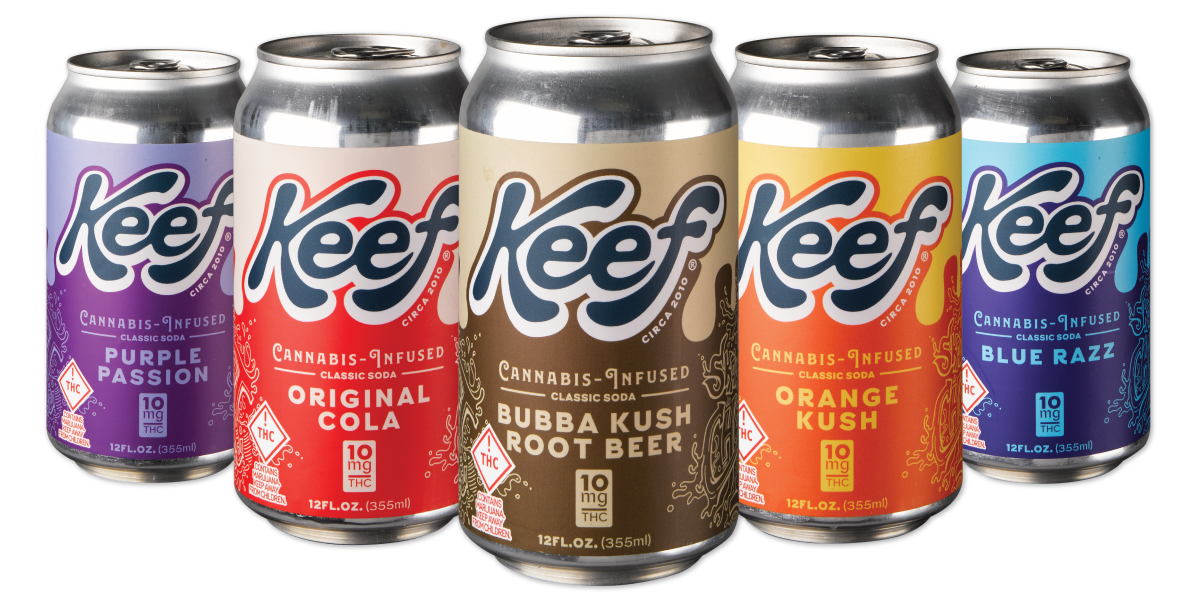
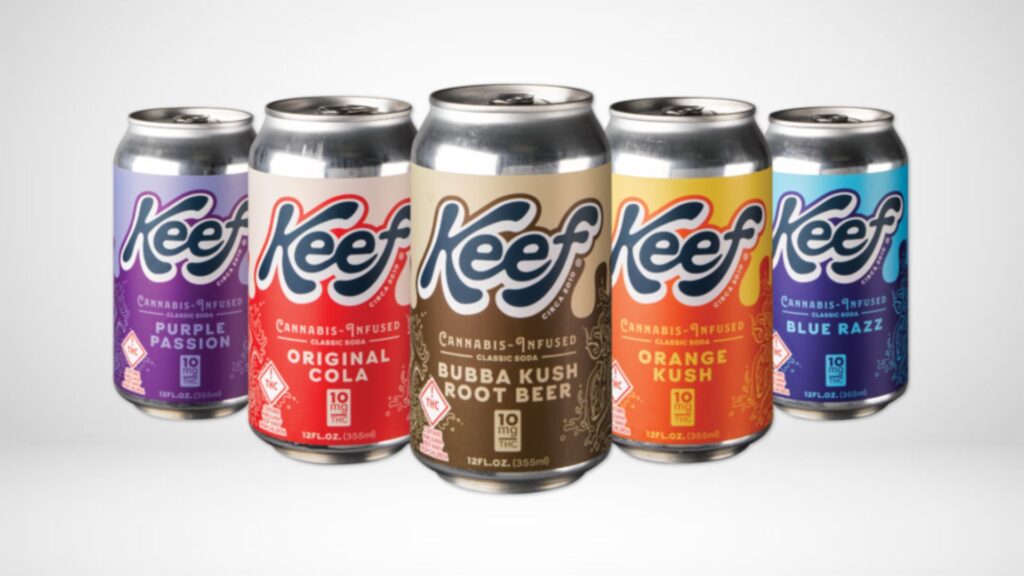
Keef Brands started in 2010 as one of the first cannabis beverages out there. It was here in Boulder, Colorado. It was basically a cold-water hash extract, you had to mix it, stir it, all that fun stuff. It was made out of a SodaStream. My buddy Erik Knutson, the Founder, made it in his basement. He brought it over to his family’s house and to his grandma’s house. They all tried it and thought, “Oh ****, something is here.”
His grandma had a sip of it, and her husband said, “Hey, I thought you were never supposed to smoke marijuana.” She said, “I never said we couldn’t drink it, you just can’t smoke it.” Right there, we figured beverages could be a viable form factor in the cannabis market.
From there, it’s just been growth and constant, with ups and downs across regulatory bodies. Today we’re a multi-state operator, and still selling millions of sodas a year.
Q: Keef has been around for multiple iterations and changes across the cannabis industry. What have been some of the biggest shifts you’ve navigated over the years?
Matt: The most recent, obviously, is hemp, and balancing being on the regulated cannabis side and hemp side of the market. That’s been easier said than done. We’re probably one of a handful actually navigating both sides right now.
The medical patient was always our focus. We couldn’t just say, “Hey, we’re going to chase dollars and go strictly into hemp.” We still wanted to be around for medical customers needing higher-dose products, which has always been our base.
Balancing those bifurcations of what’s legal and not legal state by state has been the most challenging, fun, rewarding, and sleep-losing part of the industry for us.
Everything else, from legislative moves to new packaging requirements, is always going to be there. But this new dynamic of getting close to rescheduling and stigma being washed away, especially on the beverage side, is pretty exciting to see.
Q: When did Keef first hear about LeafLink, and what initially caught your attention?
Matt: There was a family connection that brought us to LeafLink, and what really stood out was the platform. There was finally an ordering platform that made sense.
It was cleaner than anything else out there, and it took us away from Google Docs and spreadsheets. Being the first customer, we made dispensaries use it. If you wanted to order from us, you had to use the platform. We did a good job spreading it through Colorado, then brought it to Arizona and California. We wanted one system where everything was tied in and reporting was consistent. That’s really what helped it grow.
Q: Walk us through the first transaction on the platform. What did onboarding look like, and how did it go?
Matt: I wasn’t part of the very first transaction, but I know even three years after that we were still doing double and triple entry, not fully understanding functionality.
Correcting ship dates, payments, and syncing with QuickBooks was difficult, as well as learning how all the systems talked to each other. For a long time there also wasn’t an API connection, which made it harder. We were eventually able to tie into Metrc through distributors in LeafLink and tap into integrations that helped our processes. Once enough people were on the platform, order just came in and it became pretty hands off
Q: How has Keef’s use of LeafLink changed over the years as your business and the platform grew?
Matt: Keef has become more of a 30,000-foot view brand. We’re not operating brick-and-mortar licenses anymore.
Most brand houses or distributors now carry multiple brands to make their businesses work. So we oversee from that higher level, monitoring backend data and making sure partners are doing what they say they’re going to do with pricing, programming, deals, etc.
It’s become more of a management platform for us. Being able to have backend data on everything at once is critical for us.
Q: What features or functions on the platform are most valuable to your team?
Matt: Right now, it’s BME.
It’s my daily click-through. I put my time filters in and go distributor by distributor. It’s a huge asset for quickly running through, seeing what everyone’s doing, and making sure they’re on pace.
It catches things, like if someone hasn’t sold anything in a week. Maybe they’re out of stock but didn’t say anything.
It’s a really good checks-and-balance system for us right now.
Q: Have you noticed any shifts in your consumer demographics? Are they getting older, younger, more active, less active?
Matt: It’s market by market.
California is different than Colorado or Oregon, but generally our core remains 21–34.
We’re seeing more 40+ consumers coming in as cannabis has been around longer and stigma has lessened.
On the hemp side, it’s much broader, from 21 to 70+.
It really depends on how comfortable people feel walking into dispensaries. Deregulation and normalization would likely shift demographics even more.
Q: What’s your view on the current AR/AP dynamic between retail and brands? How do you think about improving working capital across the industry?
Matt: Rescheduling would open up capital.
Right now, AR is worse than it’s ever been. Retail operations (especially larger chains that include multiple retail doors) control the process and often don’t use platforms transparently because they don’t want to open their books.
Incentive programs only attract desperate operators, which isn’t ideal.
It comes back to accountability. If licenses could be defaulted for non-payment, meaning you close your doors if you don’t pay your bills, behavior would change.
Until that happens, scaling a healthy ecosystem will be very difficult.
Q: Looking ahead 10 years, where do you see Keef and the cannabis industry more broadly?
Matt: Ten years is tough. Let’s say three. Here’s the way I see it:
- You can’t control legislation. Rescheduling has been talked about before and hasn’t happened. The Farm Bill and potential hemp extensions could impact the next several years.
- There are prohibition groups trying to push back in states like Massachusetts and Arizona. Reform really needs to happen at the state level to protect businesses and prevent rollbacks.
- Tax dollars aren’t coming in like promised because accountability isn’t strong enough.
- There’s no strong enforcement of license holders paying bills. Until licenses can be defaulted for non-payment, similar to alcohol’s three-tier system, this will remain a wild west situation.
If the above happens, we can build a legitimate business and industry. Otherwise, scaling will remain difficult.
In ten years, ideally Keef is under a large distributor and I can take a long nap.